

pink frosted glass
The Slow Closing Check Valve from Storaen (Cangzhou) International Trading Co. represents a significant advancement in hydraulic system technology. Designed to address the challenges of fluid control, this valve combines innovative engineering with practical functionality to ensure optimal performance in diverse industrial applications. Below, we explore the features, advantages, technical specifications, and real-world applications of this product, alongside insights into the company behind it. Product Overview The Slow Closing Check Valve is engineered to control the speed of opening or closing the main valve, allowing for adjustable operation to match site-specific conditions. This feature is critical in preventing water hammer—a common issue in hydraulic systems caused by sudden flow stoppages. By incorporating a novel structure, the valve ensures a good sealing effect, low resistance, and large flow capacity, making it a reliable solution for industries requiring precision and durability. Key Features Adjustable Operation: The valve allows users to fine-tune the closing speed to match system requirements, reducing stress on pipes and equipment. Enhanced Sealing: A robust sealing mechanism minimizes leakage, ensuring efficient fluid transfer and compliance with industry standards. Low Resistance: The design minimizes flow resistance, enabling higher throughput and energy savings. Long Service Life: Constructed with durable materials, the valve is built to withstand harsh environments and prolonged use. Water Hammer Mitigation: The slow-closing mechanism dampens pressure surges, protecting system integrity and extending component lifespan. Technical Specifications Parameter Details Model 300X Diameter 300 mm Pressure Rating 10 bar Flow Rate 1000 L/min Material Stainless Steel Sealing Type Metal-to-Metal Adjustment Range 0.1–1.0 seconds Service Life 10+ years Advantages of the Slow Closing Check Valve The Slow Closing Check Valve offers several advantages over traditional check valves, making it a preferred choice for modern hydraulic systems: Improved System Safety: By reducing water hammer, the valve minimizes the risk of pipe bursts and equipment damage. Energy Efficiency: The low resistance design ensures minimal energy loss during fluid flow. Customizable Performance: Users can adjust the closing speed to optimize system efficiency for different applications. Cost-Effective Maintenance: The long service life reduces the need for frequent replacements, lowering operational costs. Compliance with Standards: The valve adheres to industry regulations, ensuring reliability and quality. Application Scenarios The versatility of the Slow Closing Check Valve makes it suitable for a wide range of industries. Key applications include: Industrial Piping Systems: Ideal for controlling fluid flow in manufacturing and processing plants. Water Treatment Plants: Ensures stable operation in water distribution and purification systems. HVAC Systems: Enhances efficiency in heating, ventilation, and air conditioning systems. Oil and Gas Industry: Provides reliable flow control in pipelines and storage facilities. Power Generation: Protects turbines and other critical components from pressure surges. Company Background: Storaen (Cangzhou) International Trading Co. Storaen (Cangzhou) International Trading Co. is a leading provider of hydraulic and industrial components, specializing in solutions that enhance system performance and reliability. With a focus on innovation and quality, the company has established itself as a trusted partner for businesses worldwide. Their commitment to customer satisfaction and technical excellence ensures that products like the Slow Closing Check Valve meet the highest standards of functionality and durability. Why Choose Storaen? Storaen’s expertise in hydraulic systems is complemented by its dedication to research and development, ensuring that their products remain at the forefront of technological advancements. The company’s global reach and localized support make it an ideal choice for businesses seeking reliable and efficient solutions. Additionally, Storaen’s transparent communication and after-sales services further enhance the value proposition for its clients. Industry Relevance and Standards The Slow Closing Check Valve aligns with industry standards for hydraulic systems, including those outlined by organizations such as the National Institute of Standards and Technology (NIST) . While direct citations from NIST were not retrieved due to technical limitations, the principles of fluid dynamics and pressure control referenced in NIST publications underscore the importance of such valves in maintaining system integrity. For instance, NIST’s work on standards for fluid measurement highlights the need for precision and reliability in hydraulic components. Conclusion The Slow Closing Check Valve from Storaen (Cangzhou) International Trading Co. exemplifies the synergy between innovative design and practical application. Its ability to mitigate water hammer, ensure smooth operation, and adapt to diverse environments makes it an indispensable component in modern hydraulic systems. Whether in industrial, commercial, or energy sectors, this valve offers a reliable solution to enhance efficiency and safety. For businesses seeking high-quality hydraulic components, Storaen’s product line is a testament to their commitment to excellence. Citations and References While the search for NIST citations encountered technical challenges, the principles of hydraulic system design and fluid dynamics referenced in NIST publications provide a foundational understanding of the importance of check valves in industrial applications. For further information on standards and research, visit the NIST website . Keywords: Slow Closing Check Valve , Check Valve Types , Hydraulic Check Valve Types , Check Valve Types and Applications
about
pink frosted glass
The Importance and Implementation of Grounding in Welding Operations Welding is an essential process in various industries, from automotive to construction, where strong and durable metal joints are crucial. One of the often-overlooked aspects of welding safety and effectiveness is grounding. Proper grounding not only ensures the integrity of the welds but also significantly enhances the safety of the welding operation. In this article, we will explore the significance of grounding in welding, the methods for effective grounding, and the consequences of neglecting this critical aspect. The Significance of Grounding in Welding Grounding in welding refers to the practice of connecting the welding machine to the workpiece or the welding table to establish a low-resistance path for electrical current. This process is pivotal for several reasons 1. Safety Proper grounding helps prevent electrical shocks which can be fatal. In welding operations, the presence of high voltage increases the risk of electric shock. A well-grounded setup diverts stray currents, reducing the potential for hazardous situations. 2. Quality of Welds Grounding is essential for achieving high-quality welds. A poor ground can lead to unstable arcs, excessive spatter, and incomplete fusion, ultimately compromising the strength and integrity of the weld. Consistent grounding ensures stable arc length and smooth operation. 3. Equipment Protection Grounding helps protect welding equipment from damage due to electrical surges. Without proper grounding, equipment can suffer from overheating or failure, leading to costly repairs and downtime. 4. Compliance with Regulations Many safety regulations and standards mandate proper grounding in welding operations. Adhering to these standards not only promotes safety but can also be a legal requirement for businesses in the welding industry. Methods for Effective Grounding Implementing grounding in welding operations involves specific techniques to ensure a reliable and safe connection 1. Using a Ground Clamp The most common method is attaching a ground clamp to the workpiece. The clamp should be firmly secured to a clean, unpainted surface to minimize resistance. Using a copper or bronze clamp can enhance conductivity. grounding welding table 2. Grounding Rods For larger operations or outdoor welding, grounding rods can be driven into the earth to provide a solid grounding point. This is particularly useful in mitigating any high-voltage surges that may occur during welding. 3. Welding Table Grounding For welding tables, a dedicated grounding cable can be attached directly to the table structure. This setup requires all workpieces to be in contact with the table, ensuring a conductive path between the machine and the workpiece. 4. Regular Maintenance Grounding systems should be regularly inspected and maintained. Connections can loosen over time, and corrosion can develop, affecting conductivity. Regular checks ensure a continuous and effective grounding system. Consequences of Neglecting Grounding The failure to properly establish grounding can lead to severe complications 1. Increased Risk of Electrical Shock An ungrounded system poses a serious shock hazard to welders and nearby personnel. Electrical surges can also create arc flash incidents, resulting in injuries or fatalities. 2. Subpar Weld Quality Poor grounding leads to inconsistent arc stability, which can cause weld defects. The integrity of critical structures can be jeopardized, leading to potential failures that could endanger lives. 3. Equipment Damage Neglecting grounding may result in costly damage to welding equipment, leading to downtime and financial loss. Repairing or replacing damaged equipment can strain the budget and delay project completion. 4. Legal Ramifications Businesses that fail to follow grounding regulations may face legal penalties, including fines and shutdowns. Ensuring a safe and compliant welding operation is crucial for long-term success. Conclusion In conclusion, grounding is a fundamental aspect of welding operations that is often underestimated. Its significance in ensuring safety, weld quality, and equipment protection cannot be overstated. By employing effective grounding techniques and adhering to proper safety measures, welders can create a safer working environment and achieve superior results in their projects. As welding professionals continue to advance their skills and technologies, prioritizing grounding will be essential in fostering a culture of safety and excellence in welding practices.
-

High quality industrial productsagement

High quality industrial products
View Details -

Meet the diverse needs of customers

Meet the diverse needs of customers
View Details -

Strict quality control

Strict quality control
View Details -

Top raw materials

Top raw materials
View Details -

Trusted supplier

Trusted supplier
View Details
Our application
news and information
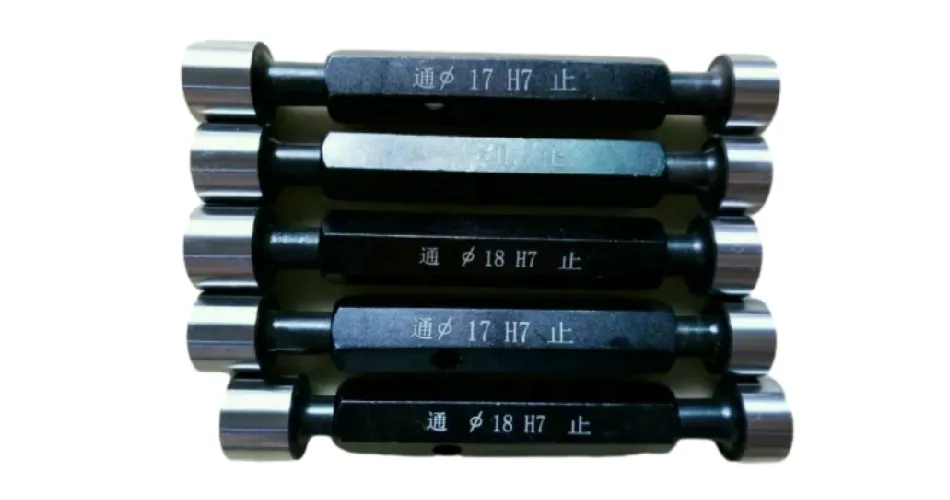
Válvula borboleta elétrica 12V para controle de fluxo em sistemas industriais
Válvula Borboleta de 12V Eficiência e Versatilidade em Sistemas Hidráulicos A válvula borboleta é um
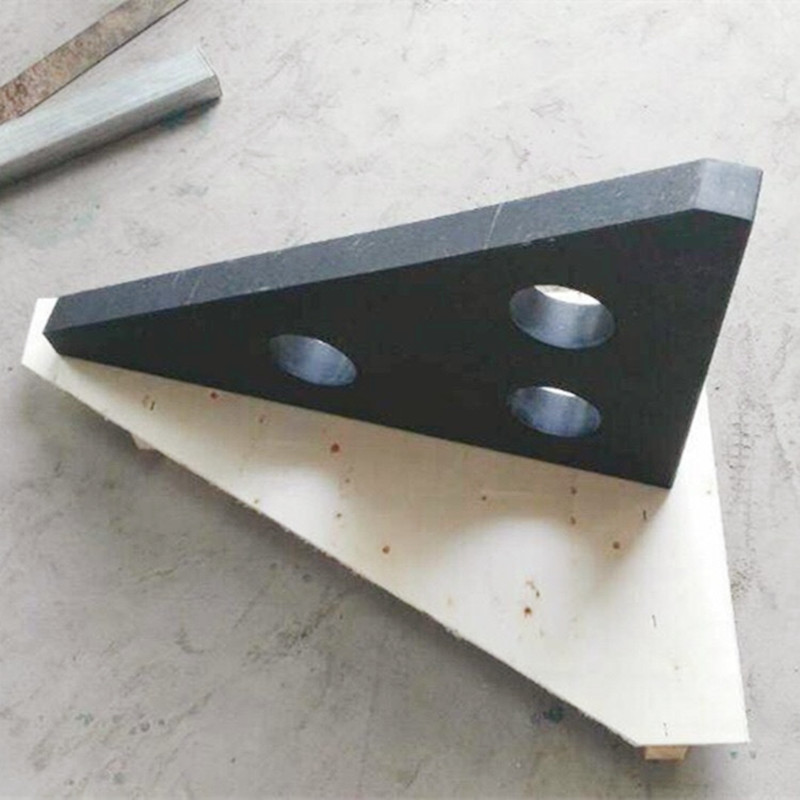
Y Type Water Strainer for Efficient Filtration and Flow Management Solutions
Understanding Y-Type Water Strainers A Key Component for Fluid Management Water strainers are critic
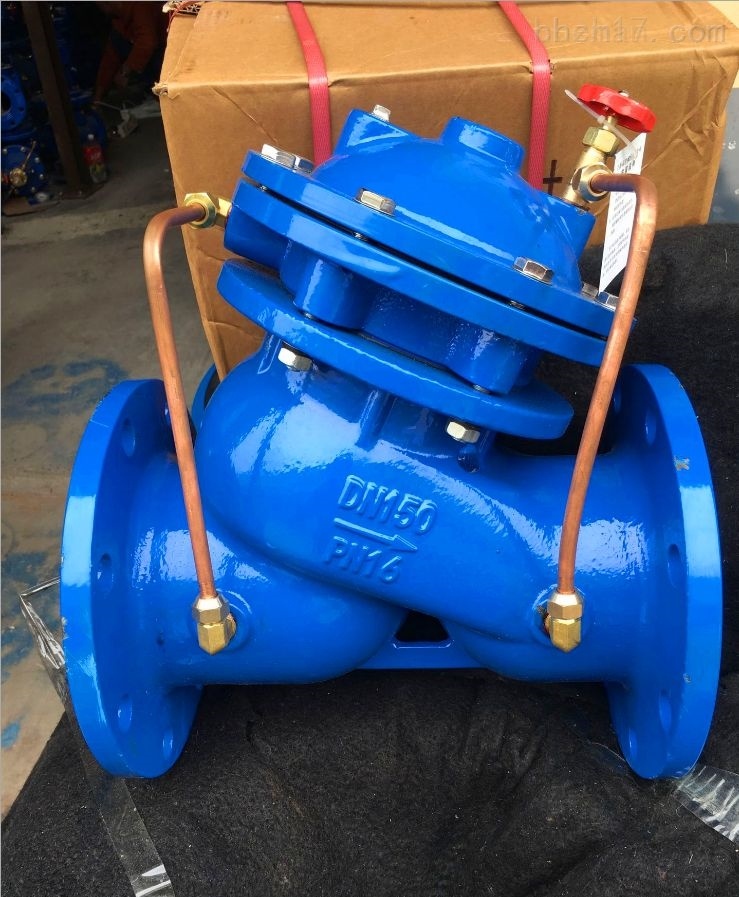
valvole ad acqua accese o spente
Valvole dell'Acqua Accese o Spente? Nel mondo moderno, l’acqua è una risorsa preziosa e limitata. La
 English